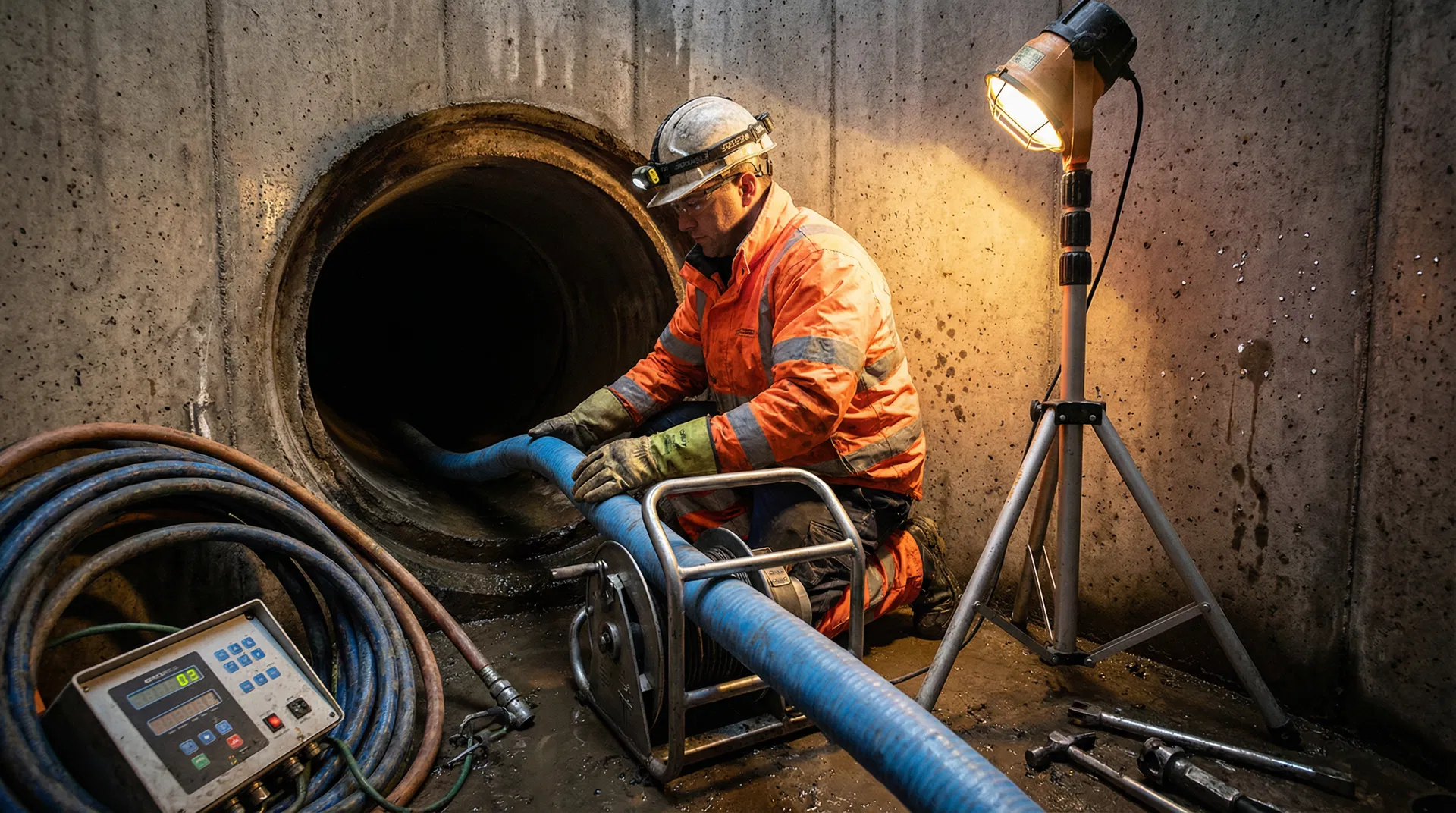
What pipe relining is
Pipe relining is an internal repair method. A liner is prepared and installed inside a suitable existing pipe, then cured to form a new internal surface. The process can avoid excavation where the defect, pipe shape and access make it appropriate.
A camera survey is normally helpful before a repair decision. It can show the accessible condition of the pipe and help locate a defect, although some circumstances can require further investigation.
When no-dig repair may be considered
Relining may be considered for defects such as cracks, open joints and some root-related damage. It may not be suitable where the pipe has failed extensively, cannot be accessed, has an unsuitable shape or needs replacement for another reason.
- A camera inspection defines the accessible pipe condition
- The pipe is prepared before an internal repair
- The repair approach should explain access and limitations
- Excavation remains an option for unsuitable or severe defects
What affects cost and timing
The scope is affected by the length and diameter of pipe, the condition of the drainage run, access, preparation work and any need for excavation or reinstatement. Ask for the separate costs of investigation, clearance, repair and reinstatement so the proposal is clear.
Frequently asked questions
Does relining always avoid digging?
No. It can avoid excavation in suitable situations, but some pipe failures still need excavation and replacement.
Is a survey needed before relining?
A survey is commonly used to locate the accessible defect and assess whether the pipe is suitable for an internal repair.
Can roots be addressed by relining?
The pipe condition and the source of the root intrusion must be assessed. Where suitable, an internal repair can help seal defects that allow roots to enter.